What "Pasture Raised" Really Means (and What It Doesn't)
posted on
February 2, 2026

“Pasture-raised” is one of the most powerful — and misunderstood — phrases in the food system.
It shows up on egg cartons, meat labels, restaurant menus, and websites. But depending on who’s using it, it can mean very different things.
If you care about how your food is raised, it’s worth understanding what pasture-raised actually means — and what it doesn’t.
Why the Term “Pasture-Raised” Is So Confusing
Unlike terms such as “organic,” pasture-raised is not tightly regulated across all foods.
That means:
-
Some producers use it accurately
-
Others use it loosely
-
And some use it in ways that meet the letter of the marketing, but not the spirit
As a result, consumers are left trying to read between the lines.
What Pasture-Raised Should Mean
At its core, pasture-raised means animals:
-
Spend the majority of their lives outdoors
-
Have meaningful access to grass, forage, and fresh air
-
Are able to move freely and express natural behaviors
True pasture-raised systems focus on:
-
Animal welfare
-
Land health
-
Natural growth cycles
It’s not about perfection — it’s about intentional management.
What Pasture-Raised Does Not Mean
This is where the confusion comes in.
Pasture-raised does not automatically mean:
-
Organic
-
Grass-finished
-
Corn- or soy-free
-
Raised outdoors 100% of the time
Some animals labeled pasture-raised may:
-
Spend part of their life indoors
-
Receive supplemental feed
-
Have seasonal variations in access
That doesn’t make the term meaningless — it just means you have to ask better questions.

Pasture-Raised vs Free-Range vs Cage-Free
These terms are often used interchangeably, but they’re not the same.
Cage-Free
-
Applies mostly to poultry
-
Means animals aren’t kept in cages, but can still be kept in a densely crowded environment
-
Does not guarantee outdoor access
Free-Range
-
Usually means some outdoor access
-
The size and quality of that access varies widely, slightly less densely crowded than cage-free
Pasture-Raised
-
Emphasizes outdoor living as the primary environment
-
Focuses on land use and animal movement
Animals are given plenty of space to freely forage and move around
Pasture-raised is the most intentional and land-focused of the three — when done honestly.
Why Pasture-Raised Farming Costs More
Raising animals on pasture requires:
-
More land per animal
-
Active pasture management
-
Seasonal planning
-
Lower stocking density
It also means:
-
Slower growth
-
Higher labor costs
-
Smaller scale production
Those costs show up in the final price — but they also show up in animal health, food quality, and environmental outcomes.
Why Pasture-Raised Matters for Meat and Eggs
Animals raised on pasture tend to:
-
Develop stronger immune systems
-
Require fewer interventions
For eggs, pasture access allows hens to:
-
Forage naturally
-
Lay richer-colored yolks
-
Exhibit natural behaviors
For meat animals, pasture-based systems support:
-
Better fat quality
-
Lower stress
-
Cleaner flavor
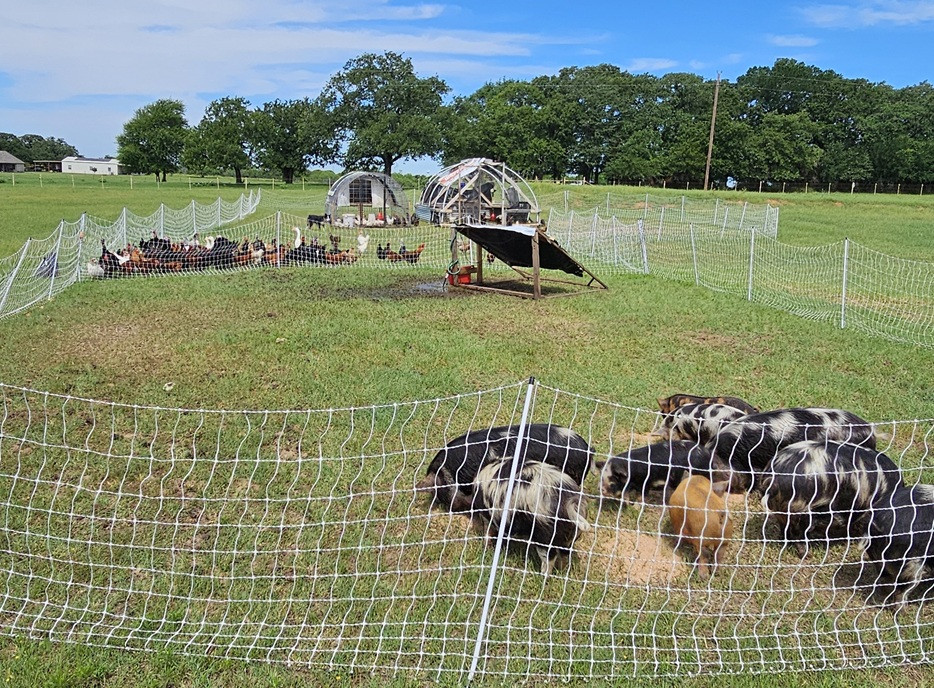
How to Tell If a Farm Is Truly Pasture-Raised
Instead of relying on labels alone, ask:
-
How much time do animals spend outdoors?
-
What do they eat throughout the year?
-
How is pasture managed and rotated?
-
Is the farm transparent about its practices?
Farms that are genuinely pasture-raised are usually happy to explain what they do.
Why Transparency Matters More Than Buzzwords
No single word can capture everything about how food is raised.
That’s why transparency matters more than labels. A farm that:
-
Shares its practices
-
Explains tradeoffs honestly
-
Welcomes questions
Is usually doing the work — even if it doesn’t fit neatly into a marketing box.

A Final Thought
“Pasture-raised” isn’t a magic word. It’s a commitment to raising animals in a way that respects their nature and the land.
When used honestly, it tells a meaningful story. When used loosely, it becomes just another label.
Knowing the difference helps you make food choices with confidence.
Want to Learn More?
The best way to understand pasture-raised food is to connect directly with the farm behind it. Ask questions, learn their methods, and choose food that aligns with your values — not just the label.
FAQ
Q: Is pasture-raised better than free-range?
A: Pasture-raised typically emphasizes outdoor living as the primary environment, while free-range only requires some outdoor access.
Q: Does pasture-raised mean grass-fed?
A: Not necessarily. Pasture-raised refers to living conditions, while grass-fed refers to diet.


