🧼 How to Render Pork Fat for Soap Making (Step-by-Step Guide)
posted on
March 19, 2026
🧼 How to Render Pork Fat for Soap Making (Step-by-Step Guide)
If you’re making homemade soap, one of the best traditional ingredients you can use is lard made from high-quality pork fat. Rendering your own fat gives you full control over purity, texture, and performance in your final soap bars.
In this guide, we’ll walk you through how to render pork fat for soap making, including tips for getting clean, odor-free lard that produces a smooth, long-lasting bar.
🐖 What Is Rendered Pork Fat?
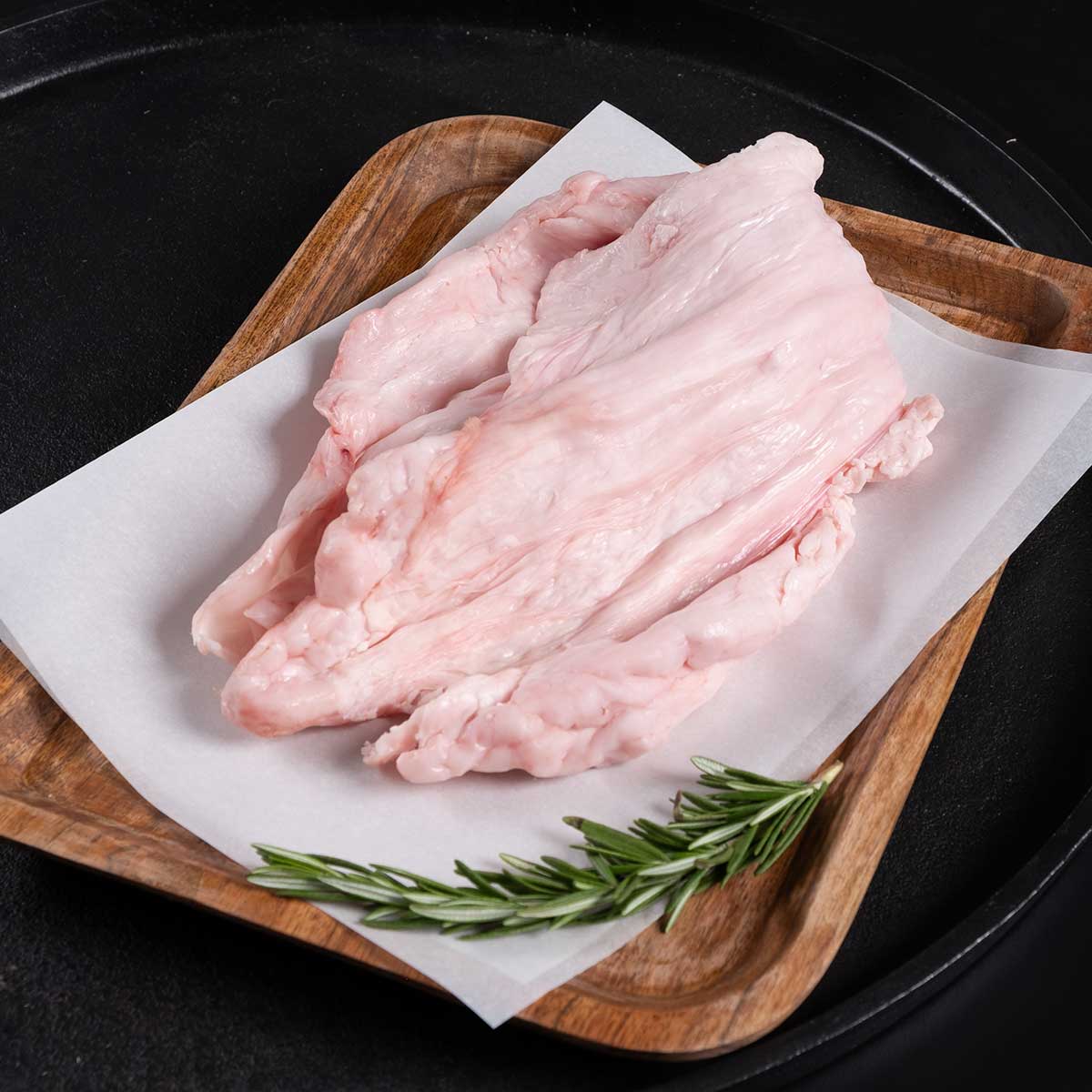


Rendered pork fat—commonly called lard—is made by slowly heating raw pork fat to separate pure fat from water and connective tissue.
For soap making, properly rendered lard should be:
-
Smooth and creamy
-
White in color
-
Mild in scent
-
Free of impurities
The cleaner your lard, the better your soap will perform.
🌿 Why Use Lard for Soap Making?
Lard has been used in soap making for generations because it creates a well-balanced, high-quality bar.
Benefits of lard in soap:
-
Produces a hard, long-lasting bar
-
Creates a creamy, stable lather
-
Gentle on skin
-
Easy to work with in both cold and hot process soap
If you’re looking for a traditional, reliable fat, lard is one of the best choices available.
🔪 Step 1: Start with High-Quality Pork Fat
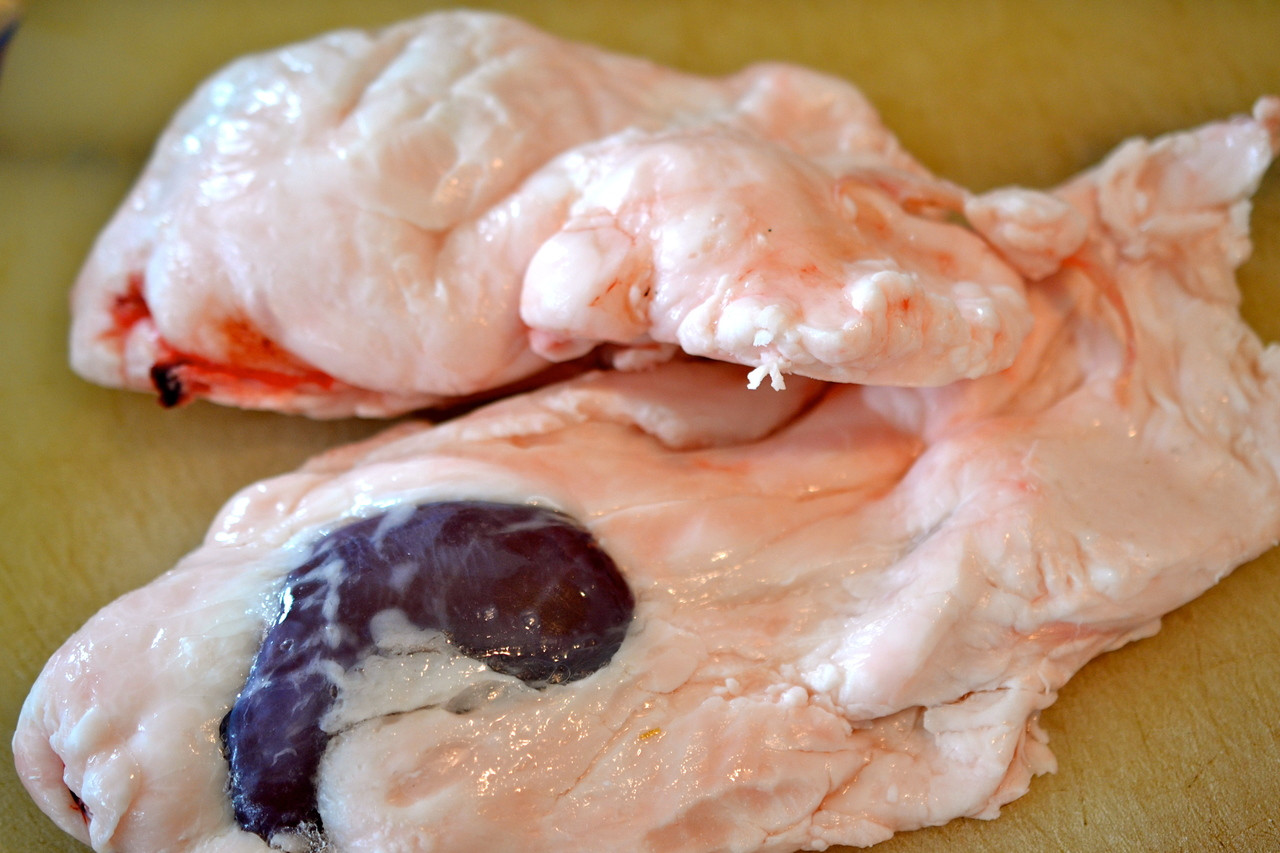
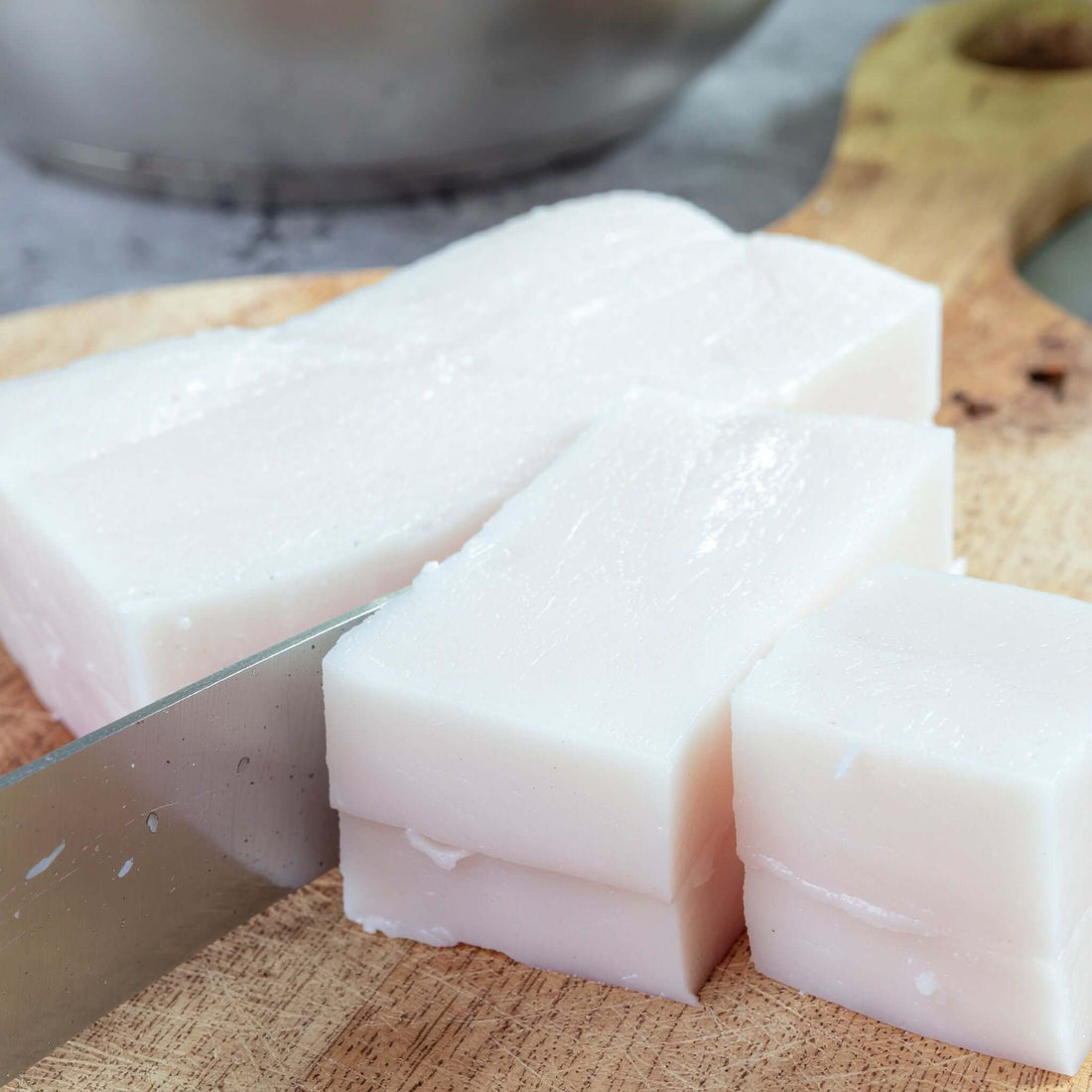
The quality of your finished lard depends heavily on the fat you start with.
Best types of pork fat:
-
Leaf fat – the highest quality, mildest scent (ideal for soap)
-
Back fat – also excellent (especially when sourced from pasture-raised Kunekune pigs, like ours) and more widely available
Whenever possible, choose pasture-raised pork fat for better quality and consistency.
👉 If you’re looking for bulk fat, we offer pasture-raised Kunekune pork fat ideal for soap making. Bulk Crafters Discount Bundle.
🔥 Step 2: Cut the Fat into Small Pieces
Cut the fat into small cubes (about 1 inch or smaller).
Smaller pieces:
-
Render more evenly
-
Reduce the risk of burning
-
Produce cleaner lard
💡 Pro tip: Slightly freezing the fat first makes it easier to cut.
🍳 Step 3: Render Low and Slow


Place the fat in a pot, slow cooker, or roasting pan and heat gently.
Key rules:
-
Use low heat only
-
Do not rush the process
-
Stir occasionally
As the fat melts, it will separate into:
-
Liquid fat (what you want)
-
Solid bits (cracklings). Salt these and enjoy as a yummy treat after cooled slightly. Or, leave unsalted and store in the freezer for occasional dog treats. (Our working ranch dogs will do anything for cracklings!)
🫙 Step 4: Strain the Liquid Fat


Once most of the fat has melted:
-
Carefully pour the liquid through a fine mesh strainer or cheesecloth (we prefer just a mesh strainer)
-
Remove any remaining solids
-
Transfer into clean jars or containers
This step is critical for achieving clean, soap-quality lard.
💡Pro Tip!
If you use plastic containers, especially straight out of the packaging they've been sold in, the lard will mold within a month. Disinfect these containers and their lids first by dipping in boiling water for about 30 seconds. We've found that cheap plastic containers have not been made food-ready as much as the Ball brand glass jars used for canning. We've never had lard spoil or grow mold using the glass jars, but it frequently happens with plastic containers.
❄️ Step 5: Cool and Store
Allow the lard to cool at room temperature.
As it solidifies, it should turn:
-
White or creamy
-
Smooth in texture
Storage options:
-
Refrigerator or pantry shelf (short-term)
-
Freezer (long-term)
⚠️ Common Mistakes to Avoid
-
Too much heat → causes strong odor and darker lard
-
Not straining well → leaves impurities
-
Using low-quality fat → affects final soap quality
👉 The biggest key: low and slow rendering
🧼 Using Your Lard for Soap Making
Once rendered, your lard is ready for:
-
Cold process soap
-
Hot process soap
-
Lard-based soap recipes
-
Tallow/lard blends
High-quality lard helps produce:
-
Consistent batches
-
Smooth texture
-
Professional-quality bars
🛒 Where to Buy Pork Fat for Soap Making
If you don’t have access to pork fat locally, you can source it directly from a farm.
At Dos Lobos Ranch, we offer:
-
Bulk pork fat for soap making
-
Pasture-raised Kunekune fat
-
Local pickup and delivery in North Texas, plus nation-wide shipping at additional cost
👉 We offer a large discount when you buy in 25 lbs. packages or more!
🌟 Final Thoughts
Rendering your own pork fat is a simple, rewarding process that gives you complete control over your soap ingredients.
With high-quality fat and a little patience, you can create clean, beautiful lard that takes your soap making to the next level.


